
Direct Answer
What Is a Quiet Luxury Bag: Quick SEO Summary
what is a quiet luxury bag is the main topic of this guide. Use this guide to identify quiet luxury through visible product details rather than brand noise or oversized logos. This what is a quiet luxury bag summary also gives search engines and AI answer engines a clear first-paragraph definition.
How to Use What Is a Quiet Luxury Bag
Read this what is a quiet luxury bag guide for the core decision points, then compare the internal links and policy pages before buying. For outside context, see Prada brand background. The goal of this what is a quiet luxury bag page is practical comparison, not an official brand claim.
When evaluating what is a quiet luxury bag, focus on photos, dimensions, materials, structure, use case, shipping terms, and support questions. That keeps the what is a quiet luxury bag decision grounded in visible product details.
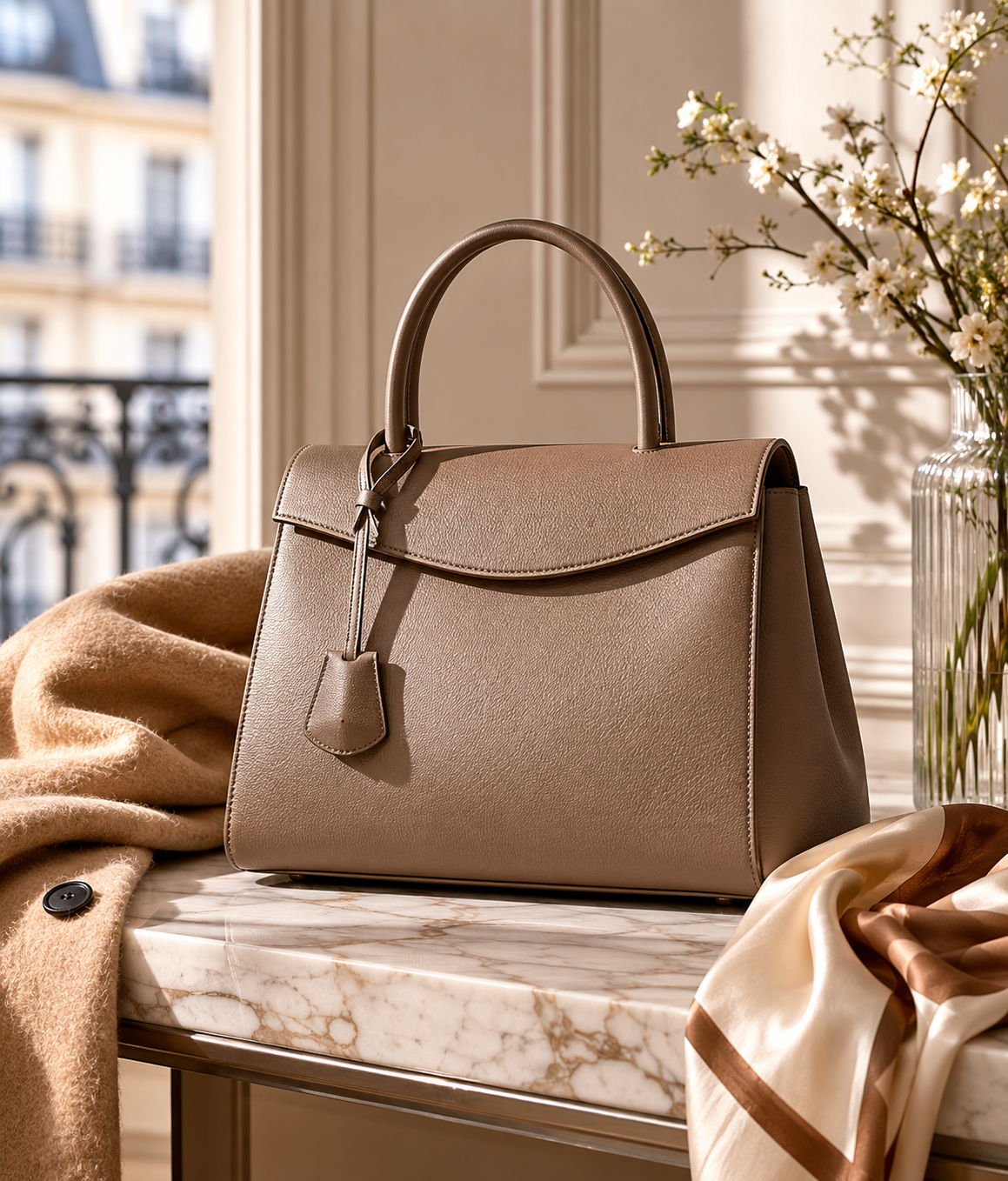
A quiet luxury bag is a handbag that communicates quality through shape, material, construction, and restraint rather than large logos or obvious branding. The best examples look calm at first glance but reveal their value through leather feel, hardware, edge finishing, stitching, and proportion.
If you already understand the basics, compare our 2026 quiet luxury bag list or read how quiet luxury differs from old money and stealth wealth.
A quiet luxury bag is a handbag that signals wealth and taste through craftsmanship, materials, and silhouette rather than visible logos or recognizable branding. In 2026, the defining traits are simple: superior leather, hand-finished construction, timeless shape, restrained hardware, and a brand identity built on quality over recognition. If a bag needs a logo to be understood as luxury, it is not quiet luxury.
That single paragraph captures the entire idea. The rest of this guide explains why each element matters, how the aesthetic emerged, which brands genuinely fit the definition, and how to tell a real quiet luxury piece from one that simply looks the part.
The Origin: From Loro Piana to Succession
The concept of quiet luxury is not new. Old-world Italian houses like Loro Piana, Brunello Cucinelli, and Bottega Veneta (during the Daniel Lee era) have been selling logo-free goods to a small circle of buyers for decades. The vocabulary was different — it was called “ultra-luxury” or “investment dressing” — but the philosophy was identical: only people who already knew should recognize what you were wearing.
The phrase entered mainstream culture in 2023. The HBO series Succession dressed its billionaire Roy family in cashmere coats, unbranded baseball caps, and bags so plain they looked almost utilitarian. Fashion media seized the contrast: while logo-heavy maximalism dominated Instagram, the actually wealthy were dressing as if they had nothing to prove. The Cut, Vogue, and The New York Times all ran features within weeks of each other. Search interest for “quiet luxury” rose sharply through 2023 and has remained elevated through 2026.
What started as a media moment has settled into a genuine shift. The Row, Khaite, Toteme, Polène, and a handful of smaller brands have built their entire identity around this approach, and the shift is now visible across the secondary market, where logo-free pieces from these brands are holding resale value better than many trend-driven alternatives.
The 5 Defining Standards of a Quiet Luxury Bag
Not every minimalist bag is quiet luxury. The aesthetic has specific standards, and learning them protects you from buying expensive pieces that miss the mark.
1. No Visible Logos or Monograms
This is the most obvious rule and the easiest to verify. A quiet luxury bag has no exterior branding visible from a distance of three feet. Subtle embossing on the interior, a small leather tag tucked into a pocket, or a discreet metal stamp on the base is acceptable. A printed monogram, an oversized metal logo, or a hardware piece shaped like initials is not.
The reasoning is philosophical, not just visual. Quiet luxury rejects the idea that a bag should advertise its origin. The wearer’s confidence comes from knowing what they own, not from being seen owning it.
2. Architectural or Sculptural Silhouette
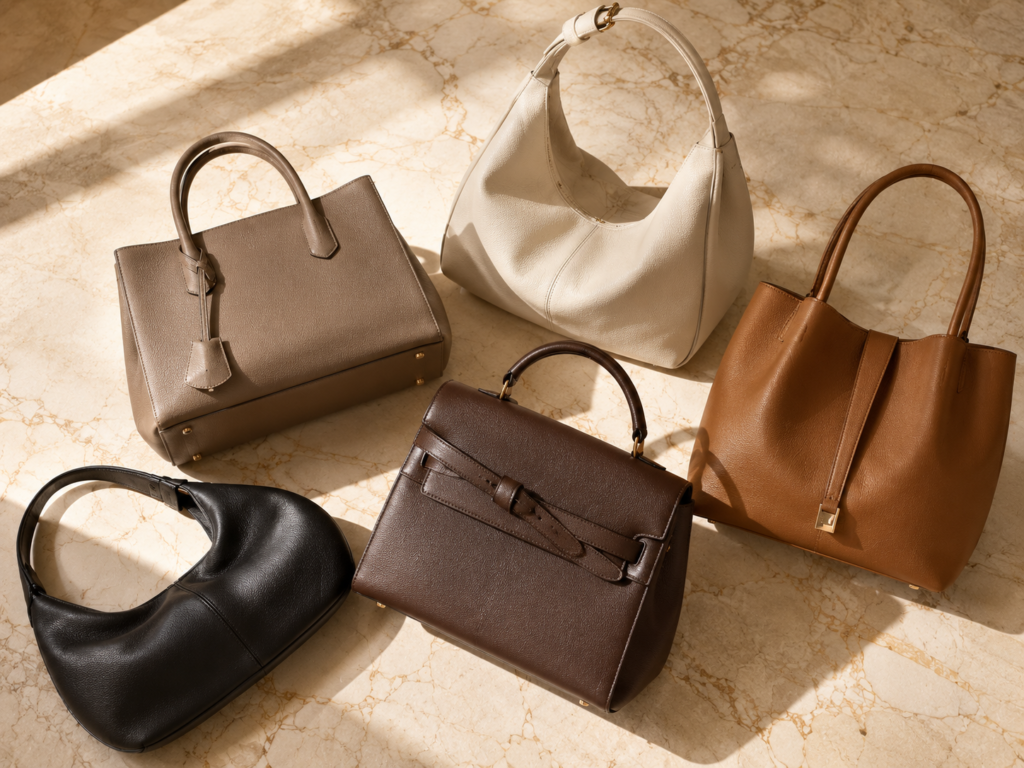
Quiet luxury bags hold their shape. Even soft, unstructured styles — like The Row’s Margaux or Khaite’s Lotus — have a deliberate slouch that reads as designed, not collapsed. Structured bags are clean-edged, with corners that meet at precise angles and panels that align without rippling.
This is the result of internal construction: heavyweight buckram, hand-shaped leather panels, and reinforced bases. Cheap structure relies on plastic forms that warp within a year. Genuine structure comes from materials that age into shape.
3. Premium, Recognizable Leather
The leather on a quiet luxury bag should look like leather, not plastic-coated reconstitute. Common materials include full-grain calfskin, vegetable-tanned saddle leather, box calf, lambskin (for softer styles), and occasionally suede. The surface has subtle natural variation, the grain shows under raking light, and the smell is unmistakable: clean, slightly nutty, never chemical.
Many quiet luxury brands disclose tannery sources. Polène uses Spanish and Italian tanneries. Métier sources from England’s J.W. Hostler. The Row works with Italian leather suppliers used by Hermès. This transparency is itself a quiet luxury signal — brands proud of their suppliers tell you who they are.
4. Hand-Finished Construction Details
Inspect the edges. On a quiet luxury bag, the edge paint (the colored finish along cut leather) is smooth, even in thickness, and seamlessly blended into the panel. Stitching is uniform, with consistent spacing and tension; no loose threads, no skipped stitches, no machine puckering. Hardware is solid metal — brass, palladium, or aged gold — with weight you can feel and a finish that ages rather than chips.
Many luxury bags fail this test. A bag that costs $3000 but has plastic-cored hardware or uneven edge paint is overpriced regardless of brand name.
5. Timeless Silhouette With Resale Value
Trend bags lose 60–80% of their value within two years. Quiet luxury bags lose 0–30%, and a small number of pieces actually appreciate. The Row Margaux, Hermès Birkin and Kelly, Bottega Veneta Pouch (early Daniel Lee era), and certain Khaite styles have all held or gained value on the secondary market.
This durability is partly cultural — the silhouettes are not tied to a specific season — and partly economic, because limited production runs mean supply rarely outpaces demand. When evaluating any quiet luxury purchase, check resale platforms like The RealReal, Vestiaire Collective, and Fashionphile to see how the model has performed over 24 months.

Brands That Define the Quiet Luxury Bag Category
Below is a working list of the brands most consistently identified as quiet luxury, organized by price range to help you orient. Inclusion here is based on consistency of philosophy across collections, not just a single hero product.
| Tier | Brands | Typical Price Range | Notes |
|---|---|---|---|
| Entry | Cuyana, Polène, Lo & Sons | $200–800 | Strong value, accessible craftsmanship |
| Mid | Demellier, Toteme, Métier, Mansur Gavriel | $500–1500 | Refined materials, established design vocabulary |
| Upper-Mid | Khaite, Wandler, Manu Atelier, Savette | $900–2500 | Distinct silhouettes, growing resale value |
| Luxury | The Row, Bottega Veneta (selected styles), Loro Piana | $2500–8000+ | Reference-level craftsmanship, high resale |
| Heritage | Hermès, Loewe (Goya line), Delvaux | $5000–25000+ | Long waitlists, generational ownership |
A note on Hermès: while the brand sits at the heritage tier, the Birkin and Kelly are sometimes argued to fall outside quiet luxury because they have become recognizable status symbols. The counter-argument is that the bags themselves carry no logo and the recognition comes from cultural fluency, not branding. Both positions are defensible; we treat Hermès as adjacent to quiet luxury, fitting some definitions and not others.
Who Should Choose a Quiet Luxury Bag
Quiet luxury suits buyers who plan to keep a bag for five or more years, value craftsmanship over novelty, work or move in environments where overt branding feels misplaced, and care about resale or generational handover. It is less suited to buyers who want a bag to make an immediate statement, who enjoy rotating frequently between trend pieces, or who specifically value the visibility of a recognizable logo.
There is no moral hierarchy here. Logo-driven luxury and quiet luxury serve different desires, and both can be done thoughtfully. Choose based on how you actually use bags, not on which aesthetic media currently celebrates.
Three Common Misconceptions
“Quiet luxury just means beige.” Color is incidental. A black Bottega Veneta Pouch, a deep burgundy Polène Numéro Sept, or a forest green Khaite Lotus are all quiet luxury. The palette tends toward neutrals because neutrals age better, but the defining traits are construction and silhouette, not hue.
“Quiet luxury is always expensive.” Polène, Cuyana, and Demellier produce genuine quiet luxury under $800. What matters is craftsmanship density, not price tag. A $400 Polène handled correctly outperforms many $2000 logo bags on every quiet luxury criterion.
“Quiet luxury is just minimalism rebranded.” Minimalism is a visual style. Quiet luxury is a values system that includes minimalism but also encompasses material quality, craftsmanship transparency, and longevity philosophy. A bag can be minimalist and not quiet luxury (cheap construction, fast-fashion sourcing) and can be quiet luxury without being strictly minimalist (a Loewe Puzzle, for instance, has visual complexity but every other quiet luxury trait).
How to Start Building a Quiet Luxury Bag Collection
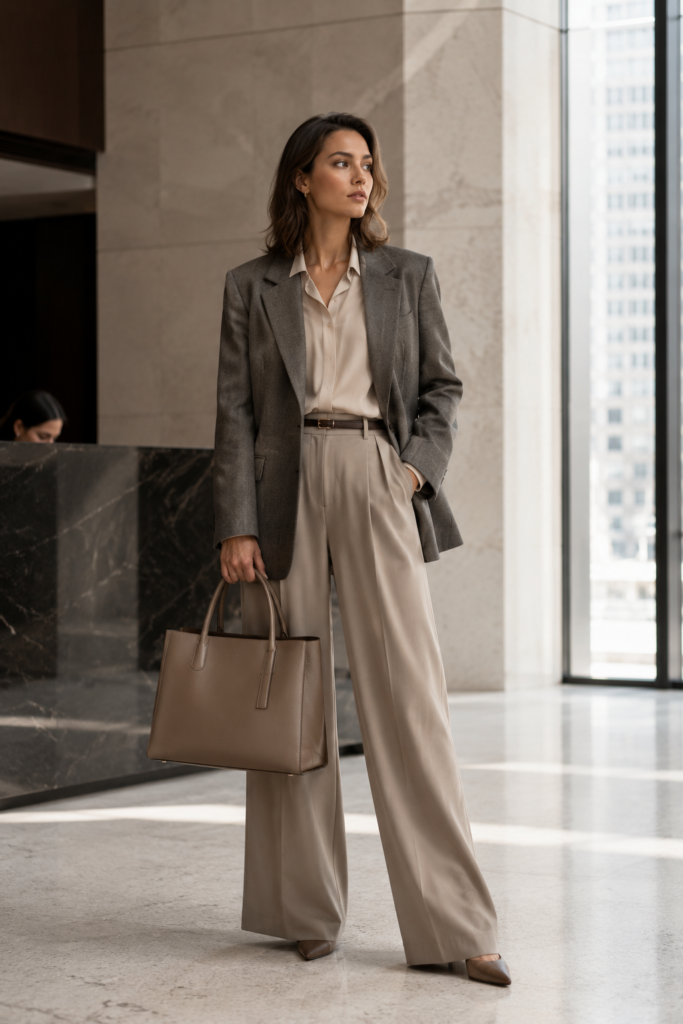
If you are entering the category, begin with one structured everyday piece in a neutral tone — taupe, soft black, or saddle brown — at a price point you can comfortably afford. Polène Numéro Un Nano, Demellier Montreal, or Cuyana Classic Structured Tote are reasonable first purchases.
Use that bag for at least six months before adding a second. The point of quiet luxury is depth of use, not collection breadth. Most committed quiet luxury wearers own three to five bags total, used in deliberate rotation.
When you do expand, aim for silhouette variety rather than color variety: add a soft hobo, a small evening style, a travel weekender. This produces a more functional collection than three structured day bags in slightly different shades.
Final Thoughts
A quiet luxury bag is fundamentally a bet that craftsmanship outlasts trend, that what you own matters more than what you display, and that the right object used over years tells a richer story than ten objects rotated in seasons. Whether the aesthetic suits you depends on how you want your possessions to function in your life. For those it does suit, the category offers some of the most rewarding pieces available in modern luxury.
Frequently Asked Questions
Is quiet luxury the same as old money style?
They overlap but are not identical. Old money style is rooted in inherited wealth aesthetics — equestrian, preppy, generational. Quiet luxury is a broader contemporary category that includes minimalist and modern silhouettes alongside heritage references.
Can affordable bags be quiet luxury?
Yes. Brands like Polène and Cuyana produce genuine quiet luxury bags under $500. The defining traits are craftsmanship and silhouette philosophy, not price.
What is the most quiet luxury bag of 2026?
The Row Margaux remains the reference piece for the category. It is unstructured, logo-free, made from premium calfskin, and has held resale value consistently. Khaite Lotus and Polène Numéro Sept are widely considered close alternatives.
Are Hermès bags considered quiet luxury?
Opinions are split. The bags themselves carry no logos, which fits the category, but the cultural recognition of the silhouette functions like branding for those fluent in the visual language. We treat Hermès as adjacent to quiet luxury rather than central to it.
How much should I spend on my first quiet luxury bag?
Spend what you can comfortably afford to keep for at least three years. For most buyers, that is in the $400–1500 range, which covers strong options from Polène, Demellier, Cuyana, Métier, and Toteme.